
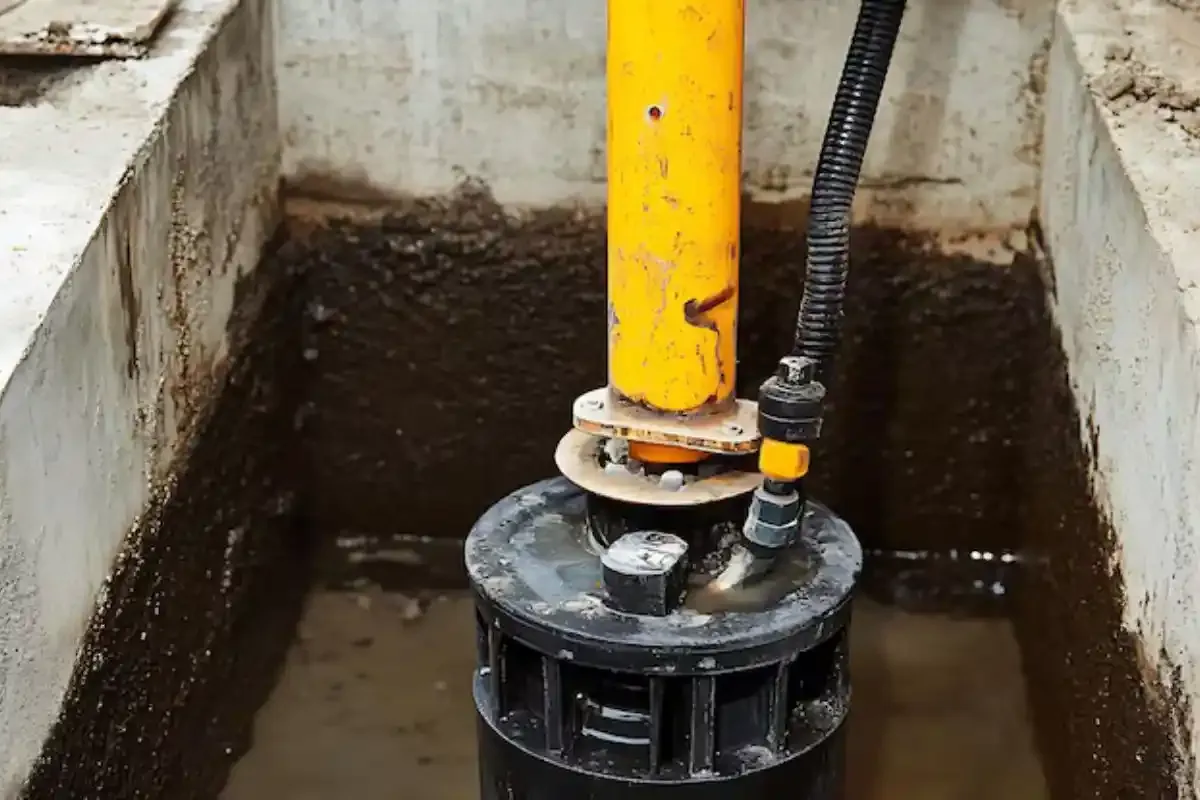
Repair the old sump pump or put in a new one?
Most sump pump calls come down to this choice. A pump that fails once because of a stuck float or a tripped breaker may only need a small fix. A pump that is old, noisy and cycling nonstop is usually near the end of its life, and a replacement saves a second storm-night call.
Repair makes sense when
- The float is stuck or tangled and the motor runs
- The check valve has failed but the pump is sound
- The breaker tripped and the circuit tests fine
- The pump is fairly new and the pit is clean
Replace when
- The motor hums but the impeller will not spin
- The pump runs constantly or fails repeatedly
- The housing is rusted, cracked or noisy
- The pit is too small or sits in silt and debris
| Symptom | Likely cause | Typical fix |
|---|---|---|
| Runs nonstop | Stuck float or failed check valve | Free float, replace valve |
| Never turns on | Tripped breaker, dead motor, bad switch | Test circuit, replace pump |
| Loud grinding | Worn bearings or debris in impeller | Clean or replace pump |
| Runs but no water moves | Clogged intake, airlocked pump | Clear intake, vent hole |
| Cycles every few seconds | Check valve missing, water draining back | Install check valve |
Running constantly
A pump that never shuts off may be fighting a stuck float, a very high water table or a pipe leak feeding the pit.
Not running at all
Silence while the pit fills points to a tripped breaker, a failed switch or a burned-out motor.
Strange noise
Grinding, rattling or a loud hum means worn bearings or a stone or debris in the impeller.
Tripped breaker
A breaker that keeps tripping can mean a shorted motor or a wet cord. Do not reset it over and over.
Float stuck on the wall
A float snagged on the pit side or its own cord never lifts to start the pump.
Rust or an old tag
A rusty housing or a pump that predates a past storm is on borrowed time. Plan a swap before the next wet season.
A failed sump pump during a storm is an urgent emergency
When the pump fails in heavy rain, the pit overflows within a short time and water spreads across the basement floor. The danger is not only damp storage. Water can reach a furnace, a water heater burner, a panel or a freezer, and wet carpet and drywall take on mold quickly.
Call as soon as you see the pit filling, even if the water is still low. The 24/7 line is open at night and on weekends, and after-hours calls get the same dispatch process as a daytime one.
Safety first in a flooded basement
Do not step into standing water if the basement has live outlets, a panel or plugged-in equipment. Shut off power at the main panel only if the panel is dry and you can reach it from dry ground. If you smell gas, leave the building and call 911 or the gas utility from outside before you phone a plumber.
Cut power if it is safe
Unplug a pump only if you can do it from dry floor. Otherwise leave it and tell the dispatcher.
Check the breaker
A tripped breaker on the pump circuit is the simplest cause. Reset it once and watch if the pump starts.
Lift valuables
Move boxes, rugs, paper and electronics onto shelves, tables or the stairs.
Bail if you must
A bucket or wet vacuum lowers the pit level while you wait. Keep cords away from the water.
How a sump pump visit works
Call and describe it
Tell the dispatcher the address, whether the pit is full and whether you hear the motor.
Plumber arrives
A licensed plumber is arranged, with same-day appointments when available.
Test and diagnose
The plumber checks power, float, pump, check valve and discharge pipe.
Price, then repair
You get a clear price before work starts. The pump is repaired or replaced and tested with water.
Battery backups, water-powered backups and new pits
A pump that depends on household power stops when the power goes out, and storms often cause both. A battery backup pump takes over when the main pump or the power fails, and a water-powered backup uses city water pressure to push water out without electricity. Each has trade-offs: batteries need testing and replacement, and water-powered units use a lot of water and need adequate pressure.
If your basement has no pit at all, or the old pit is small, cracked or full of silt, a new pit and pump can be installed. That means breaking the slab, setting a basin, running a discharge pipe and testing it. Our plumbing installation page covers how new work is planned.
Where the sump pump water goes in Stow
Stow Codified Ordinance 925.01 prohibits connecting roof drains, downspouts or other storm water conveyances from any building or land to the sanitary sewer. For a sump pump, that means the discharge goes outside to the yard or a storm connection, never to a floor drain or sanitary line. A discharge tied to the sanitary side can break the ordinance and push extra water into a system that was not built for it.
Keep the outlet several feet from the foundation and pointed away from your neighbor, so the water does not circle back into the pit. A check valve on the discharge line stops pumped water from draining back down when the pump shuts off.
Check valves and ejector pumps
The check valve is a one-way flap in the discharge pipe. If it fails, you hear a thump and gurgle after each cycle, and the pump restarts again and again. It is one of the cheaper parts to replace, and often the whole cause of a pump that seems to run forever.
An ejector pump is different. It handles waste from a basement bathroom, laundry or floor drain and lifts it to the sewer line, in a sealed pit. If a sewage pump has failed, wastewater can back up, so treat it as a more urgent and unpleasant call.
Pit rising and pump silent?
Call (855) 575-2890 and a dispatcher will arrange a licensed plumber for your Stow basement.
Why a backup matters in Stow
The city's timeline records the 1913 Ohio flood and the July 2003 storms with record flooding in Stow and Munroe Falls. Those events are a reminder that heavy rain here can overwhelm drainage on low lots. A working pump and a backup are what keep a wet week from becoming a wet basement.
If your home sits near a low spot, test the pump each spring by pouring a bucket of water into the pit. If you also worry that water is coming in from the walls or floor, read our basement waterproofing page to sort out which problem you have. Neighbors in Tallmadge have the same weather.
Some flood damage may be covered by insurance and some may not, so ask your insurer what applies. Photos of the pit and any damage help.
Permits for sump pump work
Permit rules vary by job. Stow's Building Code and Permits page lists Plumbing Systems among the work that needs a building permit, so ask the City of Stow Building Department before a new pit or discharge change begins. Their main line is 330-689-2729. Sanitary sewer permits are not handled by the Building Department, and go to the Summit County Department of Sanitary Services at 330-926-2409.
QuestionsSump pump questions from Stow basements
Check that the pump is plugged in and the breaker has not tripped, then call. Keep clear of standing water near outlets. A dispatcher takes the address and arranges a licensed plumber.
A stuck float, a failed check valve, or a high water table are the usual causes. After heavy rain, some running is normal. If it keeps running when the ground is dry, have it checked.
Yes. The 24/7 emergency line is answered by a dispatcher at night and on weekends, who arranges a licensed plumber. Same-day appointments are available when possible, and the price is clear before work starts.
No. Stow Ordinance 925.01 prohibits connecting storm water conveyances to the sanitary sewer. The discharge should go outside to a yard or storm connection.
If outages come with your storms, a backup is a sensible addition. Battery units need periodic testing, and water-powered units depend on water pressure.
No. A sump pump moves groundwater from a pit, while an ejector pump lifts waste from basement fixtures to the sewer. They use different pits, and a failed ejector is a sewage problem.
Permit rules vary by job. Ask the City of Stow Building Department at 330-689-2729 before work starts.