
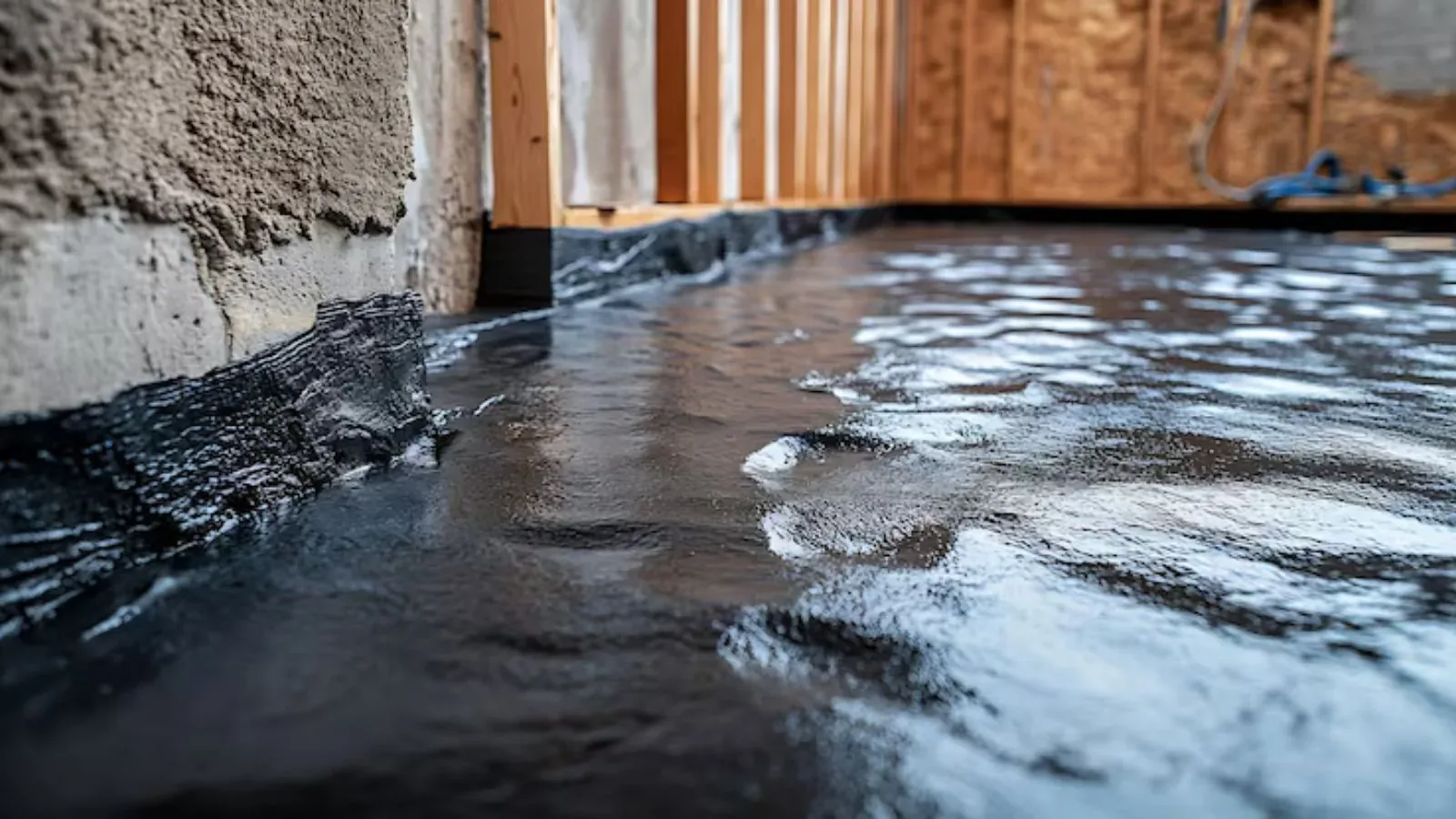
How a basement water visit works
Describe where and when
Tell the dispatcher where water appears, after rain or on dry days, and whether a pipe or appliance is nearby.
Plumber looks first
A licensed plumber checks supply lines, the water heater, washer hookups, floor drains and the sump pit.
Source is named
The plumber tells you whether it is a plumbing leak, a drainage problem or something that needs a foundation contractor.
Price, then work
For plumbing and drainage work, you get a clear price before work starts.
Plan before you book: what to know about your basement
A few answers help the plumber a great deal. Does the water show up only during or after rain, or does it appear on dry days too? Is it a damp patch, a trickle through a wall crack, or a puddle in the middle of the floor? Does it come near the water heater, the washer or a floor drain?
Photos, a rough date when it started, and the location help. Also check your downspouts and gutters, since a downspout dumping beside the foundation causes a lot of wet basements and costs little to fix.
When water in a basement is a plumbing problem
Water on the floor in dry weather often points to a pipe. A supply line that has pinholed, a water heater tank that is weeping, a washer hose that has split, a cracked drain or a sewer line backing up can all put water on the floor. These are plumbing jobs, and our leak detection page explains how a plumber finds hidden supply leaks.
Callers often describe storm water entering a basement through a wall or floor, and it often turns out not to be plumbing at all. That is a drainage or foundation question. We would rather tell you so than sell a repair that cannot work.
Water only after rain
This usually points to groundwater, downspouts, grading or a failed sump, not a pipe.
Water on dry days
A supply line, water heater, washer line or drain leak is more likely.
Wet near a floor drain
A backed-up floor drain can mean a sewer or lateral blockage.
Damp wall with white powder
That powder is mineral residue from water passing through masonry. It shows moisture, not which pipe or crack.
| Symptom | Likely cause | Who fixes it |
|---|---|---|
| Puddle near water heater | Tank or fitting leak | Plumber |
| Wet floor near washer | Hose or drain line leak | Plumber |
| Water at floor drain after flushing | Sewer or lateral backup | Plumber |
| Water at pit, pump silent | Failed sump pump | Plumber |
| Water through wall or crack in rain | Groundwater or foundation crack | Waterproofing or foundation contractor |
| Water at window well after rain | Poor drainage or clogged well | Plumber or drainage contractor |
What plumbers can do about a wet basement
Interior drain tile is a perforated pipe set below the floor along the wall that collects water and carries it to a sump pit. A sump pump then sends it outside. Our sump pump repair and installation page covers the pump, the pit, backups and discharge.
Floor drains can be cleared or repaired, and window wells can be cleaned and given a proper drain. Downspouts and grading fixes move roof and yard water away. Exterior excavation, wall crack injection and foundation repair belong to a waterproofing or foundation contractor.
A plumber is the right call when
- A pipe, fixture or appliance line is leaking
- A floor drain or sewer line is backing up
- A sump pump or pit needs repair or replacing
- A downspout or discharge needs rerouting
Call a foundation contractor when
- The wall has a widening or stair-step crack
- Water comes through the wall or floor joint in rain
- The wall bows inward or the floor heaves
- Exterior excavation is needed
What is different about Stow basements
July 2003 flooding
The city's timeline records record flooding in Stow and Munroe Falls in July 2003. If your lot sits low, a reliable pump and drainage are worth the investment.
Ordinance 925.01
Stow prohibits connecting roof drains, downspouts or other storm water conveyances to the sanitary sewer. Downspouts and sump water go to the yard or storm drain.
Sump discharge
Run the pump outlet outside, away from the foundation. A check valve keeps water from draining back into the pit.
Home age
Older Census data shows the median Stow home was built in 1980, and about 18% predate 1960. Older foundations and drain systems are more likely to have cracks or old floor drains.
Not sure whether it is plumbing?
Call (855) 575-2890 and describe where and when water appears. A dispatcher will arrange a licensed plumber to look.
Waterproof flooring and paint do not stop water entry
Waterproof basement flooring, sealing paint and epoxy coatings are a cosmetic layer. They can make a damp slab look better, but they do not stop water coming in. Water pushed behind a coating can blister it, lift tiles and trap moisture against the wall.
Fix the water source first, whether that is a leak, a sump, a gutter or a crack. Then finish the floor. If you see standing water or persistent dampness, our sewer line cleaning page covers a backed-up main, which can also show up as basement water. Homes in Munroe Falls share the same history of storm flooding.
Foundation repair, exterior excavation and wall injection are priced by the contractor who does them, and we will say so when the plumber finds that. Ask your insurer about water damage coverage.
QuestionsWet basement questions from Stow homeowners
Sometimes. A leaking pipe, water heater, washer line or sewer backup is plumbing. Water coming through walls in rain is usually drainage or foundation work.
Plumbers do interior drain tile, sump pits and pumps, floor drains, window wells and downspout fixes. Foundation crack repair and exterior waterproofing belong to a specialist contractor.
Rain raises groundwater and sends runoff toward the foundation. Check downspouts, grading, window wells and the sump pump first.
Paint is a cosmetic layer. It may hide dampness, but it does not stop water entry and can peel when water pushes behind it.
Stow Ordinance 925.01 prohibits connecting roof drains, downspouts or other storm water conveyances to the sanitary sewer. Send it to the yard or storm drain, away from the foundation.
Check whether it appears on dry days, and look at the water meter with all fixtures off. A moving meter points to a leak. Our leak detection page explains more.