How CIPP lining works in a drain or sewer pipe
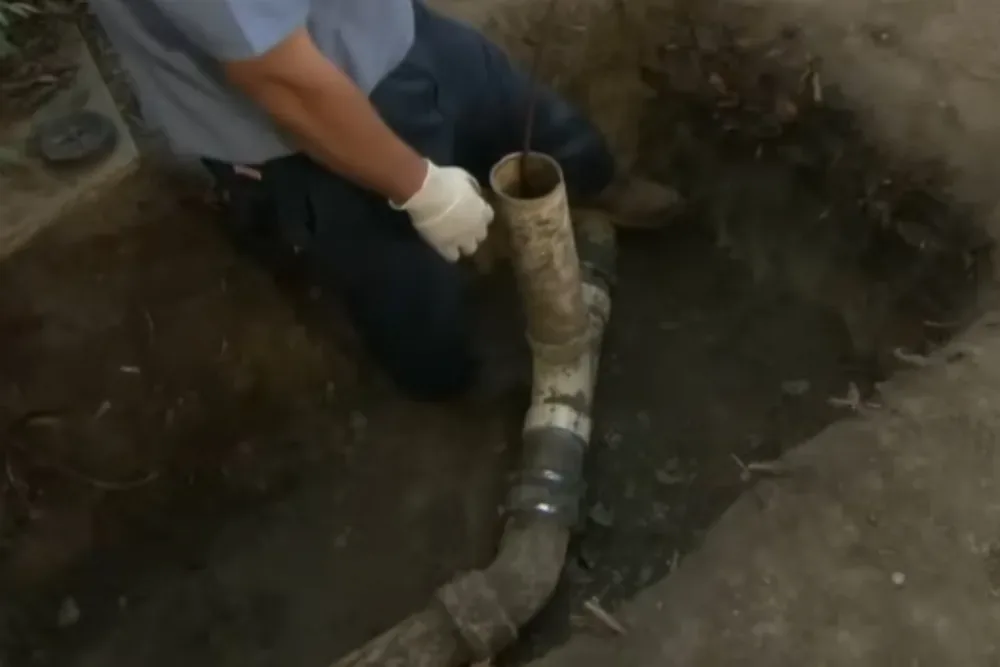
A crew first cleans the old pipe, often with a jetting nozzle, and inspects it with a camera. A felt tube saturated with epoxy or similar resin is then pulled or inverted into the line. The tube is inflated against the pipe wall and cured with hot water, steam, or ultraviolet light.
Once hard, the resin forms a smooth, jointless liner. Roots that entered through joints have nowhere to grip, and small cracks are sealed from inside. A liner adds thickness and strength, but it also reduces the inside diameter by a small amount, which matters on narrow lines.
Why water supply lines are a different story
A sewer or drain runs mostly by gravity and holds little pressure. A water supply line is under constant pressure and carries drinking water, so every material that touches that water has to be suitable for it. Residential supply lines also have many tight bends, fittings, and branch connections to the kitchen, baths, and laundry.
Some firms apply an epoxy coating inside small pipes, and structural liners exist for larger pressurized mains. These are specialized processes with limited residential use, and not every plumber offers them. For many houses with failing supply pipe, repiping with new copper or PEX remains the more common path.
| Pipe | Lining fit | Typical concern |
|---|---|---|
| Sewer lateral | Common, CIPP | Offset joints, collapsed sections |
| Main drain line | Common, CIPP | Size changes and tight bends |
| Branch drains | Sometimes, by case | Access and many fittings |
| Water supply lines | Specialized, limited | Drinking water use, fittings, bends |
| Gas or vent lines | Not a standard option | Different rules and materials |
What a liner cannot do
A liner does not fix a pipe that has sagged and holds water, and it does not change the slope. It also cannot repair a bad connection where the lateral meets the county main. Those spots may need a dig or a separate repair.
Lining also does not replace maintenance. Grease, wipes, and flushed debris still clog a lined pipe, so the habits that keep drains clear still apply after the work is done.
Checklist before you agree to lining
- Get a camera inspection first, so the plan is based on the actual pipe and not a guess.
- Ask what material the pipe is and how the liner bonds to it, whether clay, cast iron, or plastic.
- Ask whether the line has collapsed or badly offset sections, since lining may not fix those.
- Confirm that any liner touching drinking water is rated for that use.
- Ask how the connections to the fixtures and the main will be reopened and tested.
- Ask for a written, clear price before work starts, and compare it with dig-and-replace.
Common mistakes with pipe lining
Lining without a camera look
A liner cannot fix what the crew has not seen. Belly sections that hold water or crushed pipe may need excavation instead.
Treating every pipe the same
A method that suits a clay sewer lateral does not automatically suit a copper supply line under pressure.
Skipping the cleaning step
Roots and scale left in the pipe leave a rough, weak liner. Good prep is half the result.
Ignoring the cost of reduced diameter
On a 4 inch line the loss is small. On a smaller line, check that flow capacity still meets your needs.
Pipe lining and permits in Stow
Most Stow homes date from the 1960s through the 1990s, according to older Census data. Homes from that era often have clay or cast iron drains, and some have early copper or galvanized supply lines, so a camera look is the only way to know what you have.
The City of Stow's permit page lists plumbing systems among work that needs a building permit, so ask the City of Stow Building Department whether your lining job needs one. Sanitary sewer connection permits are separate: they go to the Summit County Department of Sanitary Services at 330-926-2409. The county sewer backup page says private lateral obstructions are not a justifiable claim, which makes a clear plan for your own lateral worth having.
When to call a plumber
Call when a drain backs up more than once, when roots show on a camera, or when a sewer line has cracks but is still mostly intact. For lines that have collapsed, sewer line repair by excavation or a pipe bursting method may fit better than lining.
Neighbors in Tallmadge and Cuyahoga Falls deal with the same mix of older clay and cast iron lines. The plumber you hire should explain why a method fits your pipe, and should be willing to say when lining is not the right answer.
Not sure what fits your pipe?
Call (855) 575-2890. A dispatcher takes your address and the problem and arranges a licensed plumber, and the line is open 24/7.
Lining compared with replacement
Lining tends to fit when
- The pipe is cracked or root-invaded but still round
- You want to avoid digging up a driveway or landscaping
- The line has few severe bends
- A camera shows the host pipe is sound enough to bond to
Replacement tends to fit when
- The pipe has collapsed or has a belly that holds water
- The material is failing along its whole length
- It is a pressurized supply line with many fittings
- The new route can be opened up without major damage
Pipe lining questions from Stow homeowners
The City of Stow's pages say plumbing systems need a building permit, but they do not spell out rules for lining. Ask the City of Stow Building Department before work starts. Sewer connection permits go to the Summit County Department of Sanitary Services.
CIPP means cured-in-place pipe. A resin-soaked tube is installed in the old pipe and hardened to form a new inner pipe.
It is a specialized process and not a routine option for houses. Availability is limited, and a plumber needs to confirm that the method suits your pipe and is rated for drinking water.
A smooth, jointless liner closes the gaps where roots enter. Roots can still press on the outside, so a camera check after a few years is sensible.
It depends on the length, access, and prep work. Cleaning and inspection come first, then the liner is placed and cured. A plumber can give a plan after seeing the camera footage.
Slightly, because the liner has thickness. On a standard sewer lateral the effect is usually small, but ask about it for narrow lines.
Not always. Lining can save landscaping and driveway repair, but a severely damaged pipe may still need digging. Ask for both options in writing with a clear price.
The crew has to reopen side connections and seal the ends of the liner. Ask your plumber how that is done and tested, and whether the county main needs any separate work.