
Which drains need what kind of protection
Handle yourself with habits
- Hair catchers in showers and tubs
- Mesh strainers in kitchen and bath sinks
- Scraping plates into the trash before washing
- Monthly hot tap water flush
- Wiping pans before they hit the sink
Call a plumber for
- Two or more drains slowing at once
- Gurgling from toilets or floor drains
- A smell that returns after cleaning
- A drain that clogs again within weeks
- Water backing up in the basement
A single slow sink is usually a local clog you can manage. Several slow fixtures at once points to the main drain, and no strainer will fix that.
Sewer service in Stow
The City of Stow does not provide or maintain sanitary sewer service. Homes connect to the Summit County Department of Environmental Services, which you can reach at 330-926-2400. The county bills quarterly, based on the city's meter reads.
Summit County's sewer backup page says that backups caused by private lateral obstructions or non-flushable items are not a justifiable claim. In plain terms, what you put down the drain is your responsibility, so prevention protects your wallet too.
Stow Codified Ordinance 925.01 also bars connecting downspouts and roof drains to the sanitary sewer. Point your downspouts to the yard or storm drain, because a flood of rain water in the sewer can overload it and push a backup into basements.
A weekly and yearly routine that works
Install strainers everywhere
Drop a mesh basket in each kitchen and bathroom sink and a hair catcher in each shower. Empty them into the trash, not down the drain.
Flush with hot tap water
Once a week, run the hot tap for a full minute after you finish washing dishes or showering. This carries loose soap film further down the line.
Treat the disposal gently
Run cold water while the disposal works and for 15 seconds after. Skip celery, potato peels, coffee grounds and pasta, which pack into a paste.
Clean the stoppers and traps
Every few months, pull the pop-up stopper and wipe off the hair and slime. Check the P-trap under the sink for a build-up of sludge.
Schedule a yearly check
If your house is older or has mature trees, ask a plumber about a camera look at the main line. It shows roots and scale before they block the pipe.
Common mistakes that cause clogs
Flushing wipes labeled flushable
They do not break down like paper. They snag on rough pipe walls and form a mat that catches everything behind it.
Pouring grease down the sink
Cooking fat cools in the pipe, coats the walls and narrows the bore. Wipe pans with a paper towel and bin it.
Relying on drain chemicals
Caustic drain openers can punch a hole through a clog and leave the rest of the film behind. They can also damage old pipe and are hard on septic tanks.
Ignoring a slow drain
A slow drain is the early warning. Waiting until it stops entirely lets debris pack down and makes the clearing job harder.
Why scale matters here
The City of Stow's 2024 water quality report gives hardness at about 7 grains per gallon on average. That is moderately hard water, which leaves a mineral crust inside pipes and traps. Over the years that crust gives soap film and hair a rough surface to cling to, so a yearly flush is worth the time.
Old pipes, newer pipes, and what they mean for clogs
Older Census data shows the median Stow home was built around 1980, with about 32% built in the 1960s and 70s. Homes from this era often have cast iron or clay drain lines. Cast iron roughens with age, and clay joints let tree roots find a way in.
Newer PVC drains stay smoother, but they still collect grease and wipes. If your home is older and clogs keep returning, a camera inspection will show whether the cause is habits or the pipe itself.
Get helpWhen to call a plumber
Do not wait for a full stop
Call when a drain keeps slowing after you clean the stopper, when you hear gurgling in a different fixture, or when water appears in a floor drain. Those signs mean the blockage is deeper than a plunger can reach.
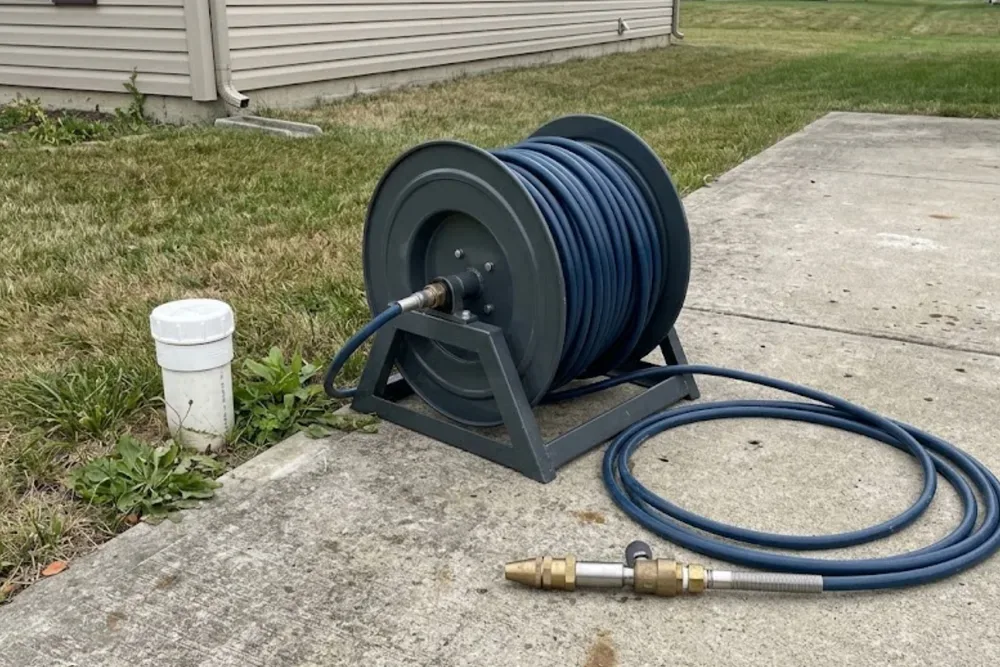
A plumber can clear the line with a cable machine or, for heavy grease and scale, with hydro jetting, which uses high-pressure water to scour the pipe wall. If the drain keeps backing up, a professional drain cleaning is cheaper than repeated store-bought chemicals, and homeowners in Kent and Cuyahoga Falls call for the same reason.
Drain slowing down again?
Our 24/7 line connects you with a dispatcher who can arrange a licensed plumber.
Kitchen, bath and laundry, one by one
| Location | Main culprit | Prevention |
|---|---|---|
| Kitchen sink | Grease, coffee grounds, food scraps | Scrape plates, use a strainer |
| Bathroom sink | Hair, toothpaste, soap film | Pop-up cleaning every few months |
| Shower and tub | Hair and soap scum | Hair catcher, weekly hot flush |
| Toilet | Excess paper, wipes | Flush only toilet paper and waste |
| Washer drain | Lint and fabric fibers | Lint filter on the discharge hose |
Drain care questions in Stow
Sewer service in Stow comes from Summit County, not the city. Summit County Environmental Services is at 330-926-2400, with an after-hours line at 330-926-2400 ext. 1.
A plumber can check whether the blockage is in your own lateral or in the county main. Keep in mind that the county's page says private lateral obstructions are not a justifiable claim.
Flush each drain with hot tap water weekly and clean stoppers and traps every few months. A professional cleaning every year or two suits older homes or lines with a history of clogs.
Enzyme products are gentler on pipes than caustic openers. They work slowly on light organic film and will not clear a solid clog or a mat of wipes.
Avoid it. Grounds do not dissolve and they clump with grease into a dense sludge. Put them in the trash or the compost.
A repeat clog at the same spot often means a damaged pipe section, a belly in the line, or roots at a joint. A camera inspection can show what is catching debris.
Done correctly, it cleans without harm to sound pipe. A plumber should look at a cast iron or clay line first with a camera to judge its condition.
Yes. When several fixtures slow together, the main drain is the likely problem. Stop heavy water use and have a plumber look before it turns into a backup.